Business
How to Start a Small Business with No Money


Most people overestimate what they can accomplish in a few weeks and underestimate what they can accomplish in a few years.
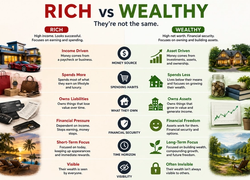
The words “rich” and “wealthy” are often used interchangeably, but they don’t necessarily mean the same thing. At first glance, both describe people who have a lot of money. However, when you look more closely, there is an important distinction. One is often focused on income and lifestyle, while the other is focused on assets, financial security, and long-term freedom.

Wanting more is a natural part of being human. More success. More money. More recognition. A bigger house, a better job, a nicer car, or a higher salary. Ambition can be a powerful force, motivating people to grow, improve, and pursue meaningful goals.

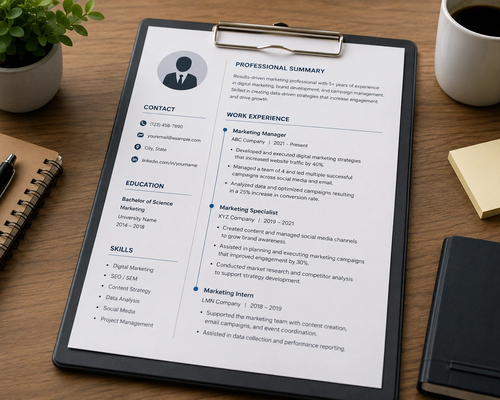
A resume is often your first opportunity to make an impression on a potential employer. Before an interview is scheduled, before a hiring manager learns about your personality, and before you have a chance to explain your experience, your resume has to do one important job: convince someone to keep reading.
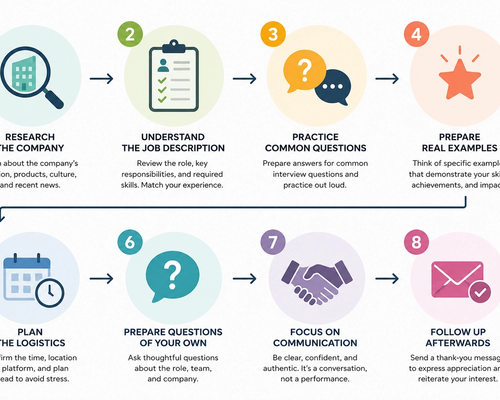
Getting invited to a job interview is an exciting milestone, but it can also be nerve-racking. No matter how qualified you are, sitting across from a hiring manager and answering questions about your experience, skills, and goals can feel intimidating.

Few workplace conversations feel more uncomfortable than asking for a raise. Even highly capable employees often hesitate to bring up compensation. Some worry about appearing ungrateful, while others fear rejection or an awkward conversation with their manager. As a result, many people continue doing excellent work for months—or even years—without ever advocating for higher pay.

Receiving a job offer is exciting. After updating your resume, submitting applications, and going through interviews, getting an offer can feel like the finish line.

Careers have changed dramatically over the past few decades. Industries evolve faster, technology reshapes jobs more frequently, and skills that were valuable yesterday can become less relevant tomorrow.