How to Live Below Your Means Without Feeling Deprived
Living below your means is one of the most common pieces of financial advice, but it’s often misunderstood. Many people imagine a life of constant sacrifice, cutting every enjoyable expense, and saying no to anything that isn’t absolutely necessary.
In reality, living below your means isn’t about deprivation. It’s about spending less than you earn so you can build financial security, reduce stress, and create more freedom for the future.
The goal isn’t to make life smaller. It’s to make your finances stronger. When approached thoughtfully, living below your means can actually improve your quality of life rather than diminish it.
Key Takeaways
• Living below your means is about creating a gap between income and spending.
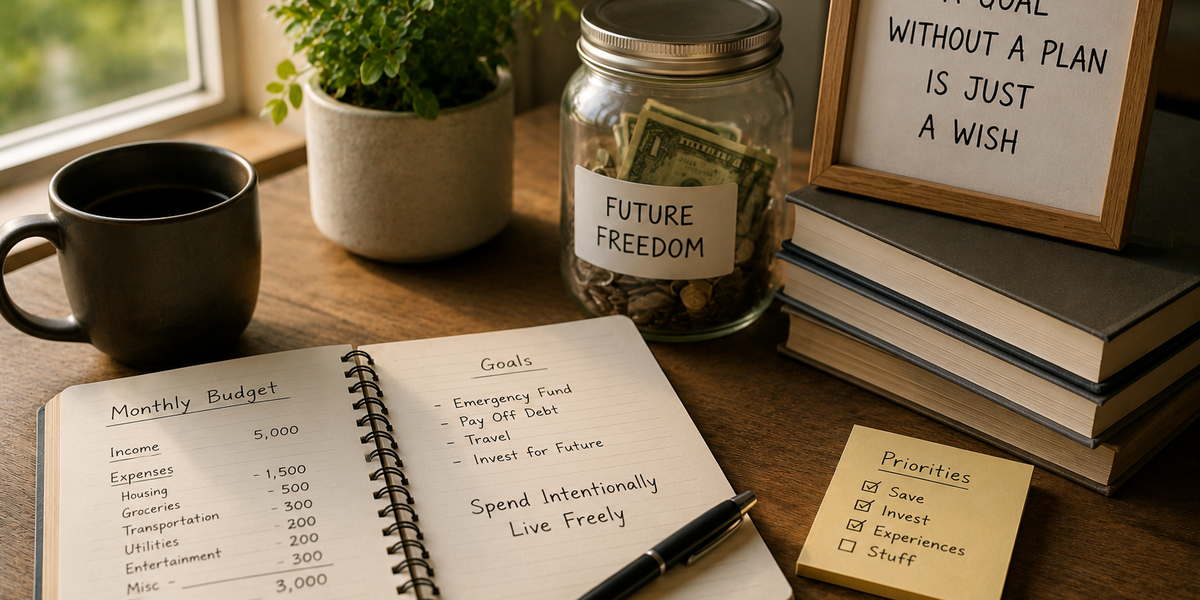
• Financial freedom often comes from spending intentionally, not spending less on everything.
• Small lifestyle adjustments can have a significant long-term impact.
• Saving money does not require giving up everything you enjoy.
• The most sustainable financial habits are the ones you can maintain over time.
Understand What “Living Below Your Means” Really Means
Many people assume living below your means means living as cheaply as possible. That’s not necessarily true.
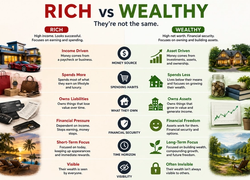
Someone earning a high income can still live beyond their means if their spending consistently exceeds what they earn. Likewise, someone with a modest income may successfully live below their means by spending carefully and saving regularly.
The concept is surprisingly simple: spend less than you make and avoid allowing your lifestyle to grow faster than your income.
It’s less about the amount of money you earn and more about how you manage it.
Focus on What Actually Matters to You
One reason people struggle with budgeting is that they often cut expenses they genuinely value while continuing to spend money on things they don’t care much about.
Living below your means becomes much easier when you identify what truly improves your life. You may happily spend money on travel, fitness, books, or dining out while reducing spending in areas that matter less to you.
The goal is not to eliminate enjoyment. It’s to align spending with your priorities.
When money is directed toward things that genuinely add value, financial discipline feels less restrictive.
Avoid Lifestyle Inflation
One of the biggest obstacles to building wealth is lifestyle inflation.
As income increases, many people automatically increase their spending. A salary raise leads to a more expensive car, a larger home, more subscriptions, and higher monthly expenses.
While there’s nothing wrong with improving your lifestyle, constantly upgrading can make it difficult to build savings regardless of how much money you earn.
Learning to maintain some of your existing habits as income grows can create a powerful opportunity to save and invest more for the future.
Find Affordable Alternatives
Living below your means doesn’t always require giving things up entirely.
Often, the solution is finding lower-cost alternatives that provide similar enjoyment. Cooking at home more often, borrowing books from a library, exploring local attractions, or choosing less expensive entertainment options can reduce spending without dramatically affecting quality of life.
Many people discover that some of their favorite experiences cost far less than they originally assumed.
Financial responsibility doesn’t always mean doing less. Sometimes it simply means doing things differently.
Learn the Difference Between Wants and Habits
Not every expense is driven by genuine desire.
Many purchases happen out of routine, convenience, boredom, or social pressure. Over time, habits can become so automatic that they no longer provide much satisfaction.
Taking a closer look at recurring spending can reveal opportunities to save money without feeling deprived. In some cases, eliminating a habit has almost no impact on happiness because the enjoyment disappeared long ago.
Being intentional with spending often leads to better financial decisions and greater satisfaction.
Make Saving Automatic
One of the easiest ways to live below your means is to remove some of the decision-making from the process.
Automatically transferring a portion of your income into savings or investments can help ensure that money is set aside before it has a chance to be spent elsewhere.
This approach shifts the focus away from constant self-control and toward building systems that support your financial goals.
Over time, saving becomes a normal part of your routine rather than something that requires ongoing effort.
Stop Comparing Yourself to Others
Modern life makes it easy to compare spending habits, vacations, homes, and lifestyles with those of other people.
Social media often creates the impression that everyone is spending freely and living comfortably. What is rarely visible are the debts, financial stress, and sacrifices that may exist behind the scenes.
Trying to keep up with others can make it difficult to live within your own financial reality.
Building financial security often requires focusing on your own goals rather than someone else’s lifestyle.
Think About Freedom, Not Restriction
One of the most powerful mindset shifts is viewing financial discipline as a path to freedom rather than limitation.
Money saved today can provide options tomorrow. It can create an emergency fund, reduce dependence on debt, support future opportunities, and help weather unexpected challenges.
Living below your means isn’t simply about spending less. It’s about creating flexibility and control over your future.
The choices you make today can give you more choices later.
Building a Life You Can Afford
Living below your means does not require extreme frugality or constant sacrifice. In fact, the most successful approach is often the most balanced one.
By spending intentionally, avoiding unnecessary lifestyle inflation, and focusing on what genuinely adds value to your life, it’s possible to save money without feeling deprived. Small decisions made consistently can create significant financial benefits over time.
Ultimately, living below your means is not about having less. It’s about making sure your money supports the life you want rather than controlling it.
When done thoughtfully, it can lead to something far more valuable than a larger paycheck: peace of mind.