What's a Good Credit Score and How to Improve Yours
A credit score is one of the most important numbers in your financial life, yet many people don’t fully understand what it means or how it affects them.
Whether you’re applying for a credit card, a car loan, a mortgage, or even renting an apartment, your credit score can influence the opportunities available to you. A higher score often leads to better interest rates, easier approvals, and more favorable borrowing terms.
The good news is that credit scores are not permanent. They can improve over time through consistent financial habits and responsible credit management.
Understanding how credit scores work is the first step toward building a stronger financial future.
Key Takeaways
• A credit score helps lenders assess how likely you are to repay borrowed money.
• Higher credit scores generally lead to better loan and credit card terms.
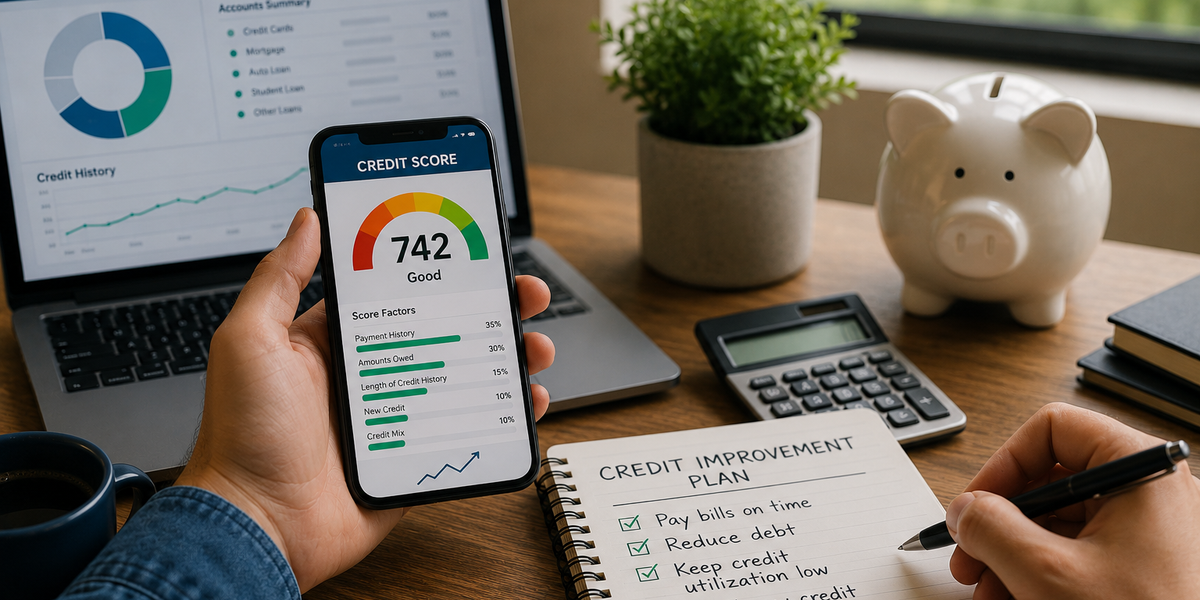
• Payment history is one of the most important factors affecting your score.
• Reducing debt and making payments on time can improve your credit over time.
• Building a strong credit score is a long-term process rather than a quick fix.
What Is a Credit Score?
A credit score is a numerical representation of your creditworthiness. In simple terms, it helps lenders estimate the risk of lending money to you.
The score is based on information from your credit history, including how consistently you pay bills, how much debt you carry, and how long you’ve been using credit.
While scoring systems vary between countries and financial institutions, the overall purpose remains the same: providing a quick snapshot of your borrowing behavior.
A higher score generally suggests responsible financial management, while a lower score may indicate greater lending risk.
What Is Considered a Good Credit Score?
The definition of a “good” credit score depends on the scoring model being used, but in general, higher scores are viewed more favorably by lenders.
Scores in the middle range are often considered acceptable, while higher scores may qualify borrowers for lower interest rates and better financial products.
It’s important to remember that credit scores are not simply pass-or-fail measurements. Instead, they exist on a spectrum, with lenders using them alongside other financial information when making decisions.
A good score can make borrowing easier, but it is only one part of your overall financial profile.
Why Your Credit Score Matters
Many people only think about their credit score when applying for a loan, but its impact can extend much further.
A strong credit score may help you qualify for better credit card offers, lower borrowing costs, and more favorable financing terms. Over time, even a small difference in interest rates can save thousands of dollars.
A weaker score, on the other hand, can lead to higher borrowing costs or make certain financial opportunities more difficult to access.
Because of this, maintaining good credit can have long-term financial benefits.
Pay Your Bills on Time
One of the most effective ways to improve a credit score is surprisingly simple: pay bills on time.
Payment history is often one of the most important factors used in credit scoring. Late payments can remain on a credit report for years and may negatively affect your score.
Even if you can only make the minimum payment on a credit card or loan, paying by the due date is generally better than missing the payment entirely.
Consistency matters more than perfection. Building a strong record of on-time payments can significantly improve credit health over time.
Reduce Outstanding Debt
Another important factor is the amount of debt you currently owe.
Lenders often look at how much of your available credit you’re using. High balances can signal financial strain, even if payments are being made on time.
Reducing credit card balances and avoiding unnecessary borrowing can help improve your credit profile. As debt decreases, your credit score may gradually improve as well.
Paying down debt often benefits both your financial health and your credit standing.
Avoid Applying for Too Much Credit
Opening several new credit accounts within a short period can sometimes negatively affect your score.
Each application may trigger a credit inquiry, and multiple inquiries in a short timeframe can make lenders cautious.
This doesn’t mean you should never apply for credit. It simply means applications should be made thoughtfully and only when necessary.
Responsible credit use is generally more beneficial than frequently seeking new accounts.
Give It Time
Many people want to improve their credit score quickly, but meaningful improvements usually require patience.
Credit scores are designed to reflect long-term financial behavior rather than short-term changes. Positive habits such as paying bills on time, reducing debt, and managing credit responsibly often produce results gradually.
The longer these habits are maintained, the stronger the overall credit profile tends to become.
Improving credit is less about finding shortcuts and more about building consistency.
Common Credit Score Myths
One common misconception is that checking your credit score automatically damages it. In many cases, simply reviewing your own credit information does not affect your score at all.
Another myth is that carrying a balance on a credit card is necessary to build credit. Responsible use and timely payments are generally more important than carrying unnecessary debt.
Understanding how credit actually works can help people avoid costly mistakes and focus on habits that genuinely improve their financial standing.
Building Better Credit Over Time
A good credit score is not something that appears overnight. It is typically the result of years of responsible financial behavior and consistent decision-making.
While the exact number matters, the habits behind the score matter even more. Paying bills on time, managing debt carefully, and using credit responsibly can gradually strengthen your financial profile.
The goal isn’t simply to achieve a higher score. It’s to create financial habits that open doors, reduce borrowing costs, and support long-term financial stability.
In the end, improving your credit score is less about chasing a number and more about building a stronger financial foundation for the future.